Metal, plating and care
Does sterling silver tarnish? Causes, cleaning and storage
Short answer
Yes. Sterling silver tarnishes when silver and its copper react with sulfur compounds in air, skin, cosmetics and packaging, forming a dark silver sulfide film. Humidity speeds it up. Rhodium plating stops tarnish while it is intact; gold plating and sealed storage slow it. Tarnish polishes off and does not damage the metal.
On this page 8 sections
| Factor | Effect on sterling silver | What retailers can do |
|---|---|---|
| Humidity | Speeds tarnish | Keep stock dry; add silica gel to storage boxes |
| Sulfur from rubber, wool and felt | The main cause of tarnish in a shop | No rubber bands, latex gloves or wool-felt trays near silver |
| Skin, sweat and cosmetics | Darken pieces worn often or under lotion | Advise customers to put jewelry on last |
| Chlorine and bleach | Darken and can pit silver | Advise removing jewelry before pools and cleaning |
| Open-air display | Steady slow tarnish | Rotate display pieces; keep backstock sealed |
| Sealed polybag with anti-tarnish strip | Slows tarnish sharply | Store backstock this way |
| Rhodium plating | Stops tarnish while intact | Choose rhodium for pieces that sit in stock longest |
| Clear protective coating (e-coat), used by some makers | Slows tarnish until worn | Do not polish coated pieces with abrasive cloths |
Why does 925 sterling silver tarnish?
Silver reacts with hydrogen sulfide and other sulfur compounds in the air to form black silver sulfide, a thin film that turns yellow, then brown, then black. The 7.5% copper in sterling silver also oxidizes. Tarnish is a surface film: it does not mean the silver is fake or low quality. Fine silver (999) tarnishes more slowly than sterling, but it is too soft for most jewelry.
The copper is also why some customers find a green or dark mark on their skin, mostly under rings worn all day. Cleaning the piece and the skin, and keeping lotion from building up under the band, stops it.
How to clean sterling silver jewelry, by finish
| Finish | Silver polishing cloth | Warm soapy water | Foil and baking soda bath | Silver dip |
|---|---|---|---|---|
| Polished silver | Yes | Yes | Yes | Yes, then rinse well |
| Oxidized (darkened recesses) | On the raised parts only | Yes | No: it lightens the dark finish | No: it strips the dark finish |
| Rhodium-plated | Soft cloth only | Yes | Not needed: rhodium does not tarnish | No |
| Gold-plated | Soft cloth only | Yes | No | No |
| E-coated | Soft cloth only | Yes | No | No: it strips the coating |
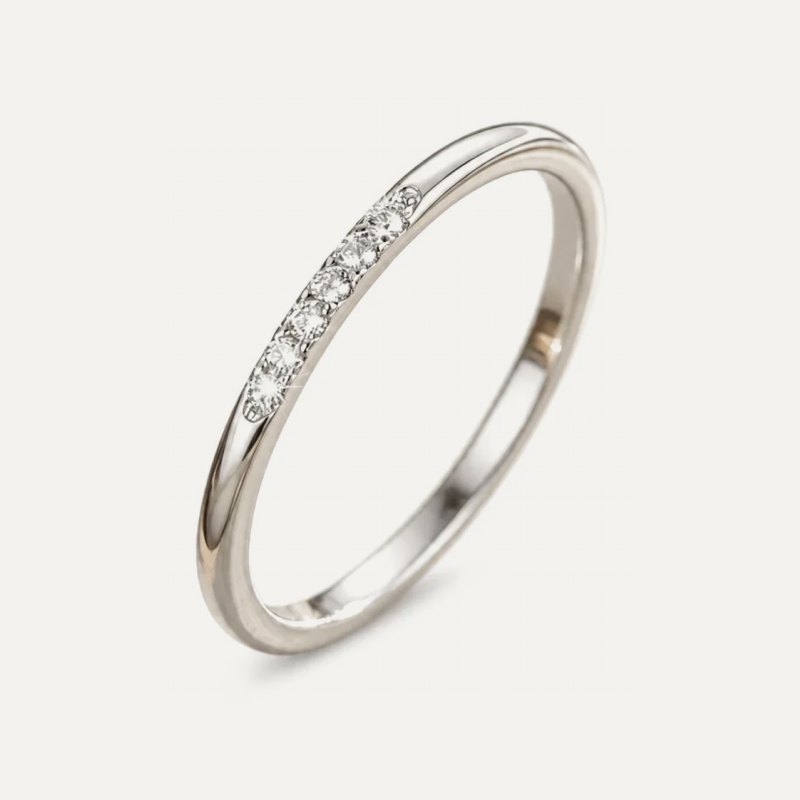
| Set with CZ or moissanite | Yes | Yes, soft brush behind the stone | Yes | No |
| Set with pearls | Damp cloth on the metal only | No soaking | No | No |
- Light tarnish: rub with a silver polishing cloth.
- Dirt and dull pieces: wash in warm water with a little mild dish soap, rinse and dry completely.
- Heavy tarnish on plain silver: lay the pieces on aluminum foil in a bowl of hot water with a spoonful of baking soda. The reaction turns the silver sulfide back into silver instead of rubbing it off. Rinse and dry.
- Pearls never go in an ultrasonic or steam cleaner; perfume, cosmetics and acids damage them.
Cleaning chains, rings and earrings
| Piece | Where dirt and tarnish collect | How to clean it | Avoid |
|---|---|---|---|
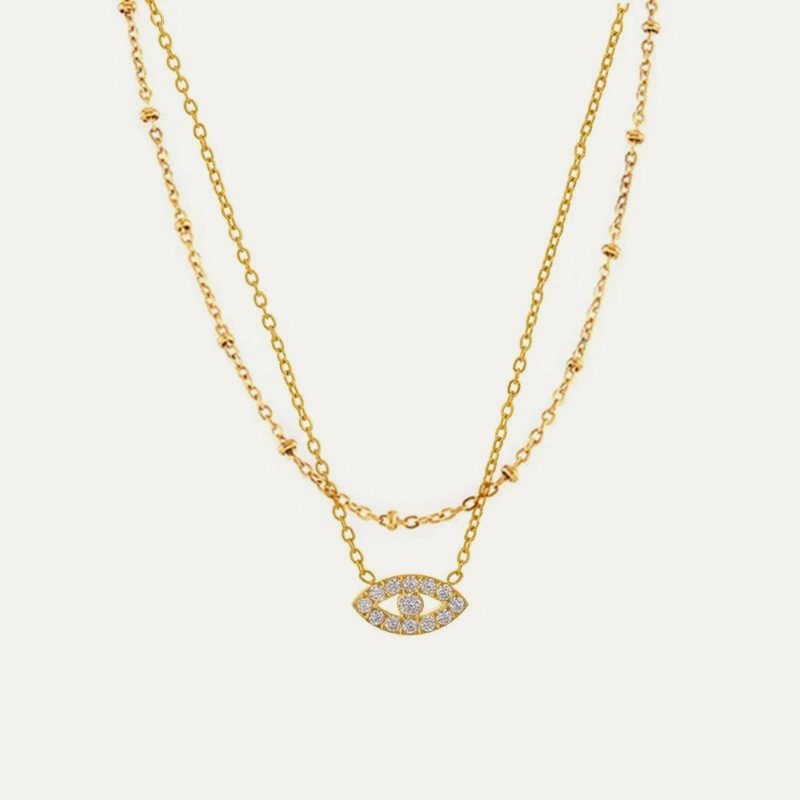
| Chains and necklaces | Between the links and in the clasp spring | Soak a few minutes in warm soapy water, brush along the chain with a soft toothbrush, rinse, pat dry and let it dry flat | Rubbing a cloth along a fine chain: it kinks; hanging it up wet |
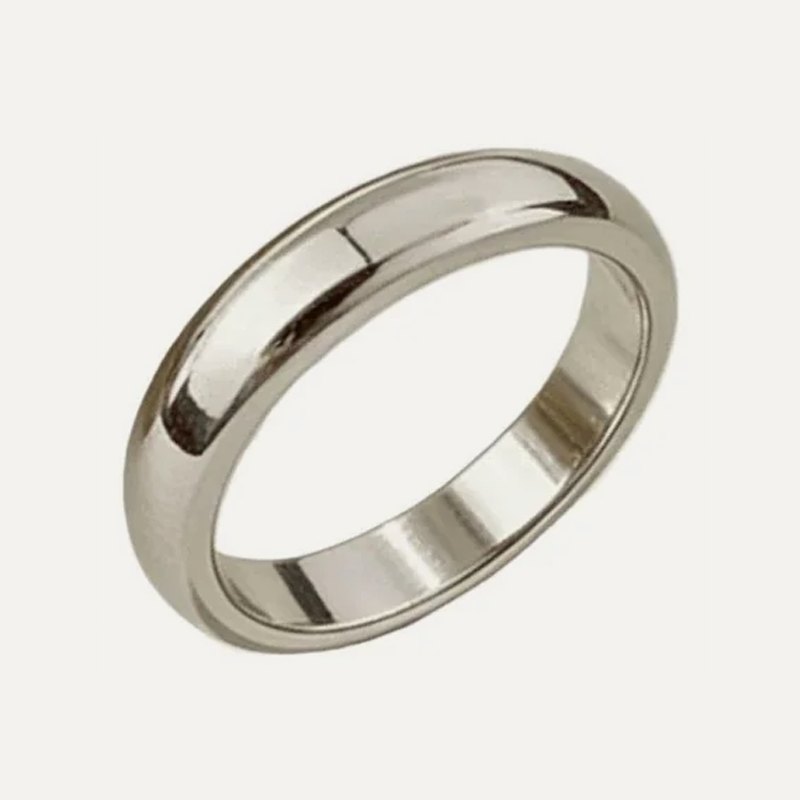
| Rings | Inside the band and under the stone, where lotion builds up | Soft toothbrush and soapy water inside; polishing cloth on the outside | Toothpaste and paper towels: they scratch |
| Stud and hoop earrings | Posts, backs and hinges | Soapy water and a soft brush; wipe posts with rubbing alcohol before wearing | Soaking pearl studs; alcohol on pearls |
| Bracelets and anklets | The underside of the links, against the skin | As for chains; rinse anklets after salt water and sand | Chlorinated pools |
| Pieces with stones | Behind the stone, in the setting | Soft brush behind the stone; check prongs while it is clean | Ultrasonic cleaners on glued or pavé stones |
Clean a chain lying flat in your palm, not stretched between two hands: fine links stretch and kink under a pull.
How to keep silver from tarnishing in stock
- Keep backstock in closed, sealed bags or boxes with an anti-tarnish strip and a sachet of dry silica gel.
- Keep silver away from rubber (bands, mats, latex gloves) and from wool and felt: they give off sulfur compounds.
- Polyethylene bags, acrylic and polystyrene boxes are safe next to silver.
- Our parcels arrive with each piece in its own OPP bag; add an anti-tarnish strip if pieces will sit in storage.
Unworn stock that has tarnished in storage polishes back to new; it is not a defect.
Finishes that resist tarnish
Rhodium plating seals the silver off until it wears through. Gold plating does the same, though gold layers are softer. A clear electrophoretic coating (e-coat), which some makers apply, slows tarnish until it wears; we do not apply e-coat. Each product page names its finish (unplated, rhodium or gold plating); compare finishes in rhodium plating and gold vermeil vs gold plated, or shop wholesale sterling silver chains by plating.
When a customer asks "Is it fake?"
Darkening is normal for real silver and is not a sign of fake metal. Wipe the piece with a polishing cloth in front of the customer, show the 925 stamp, and give them the care card below.
A care card to include with sales
Sterling silver darkens with air and skin over time; this is normal. Put jewelry on after lotion and perfume, and take it off to swim, shower or clean. Store it in a sealed bag. Wipe with a silver polishing cloth to restore the shine. Plated pieces: wipe gently with a soft cloth only.
Sources
- Canadian Conservation Institute, CCI Notes 9/2, Storage of Metals: rubber, latex gloves, wool and felt as sulfur sources; closed, sealed containers with dry silica gel.
- Tarnish, Wikipedia: reversing silver tarnish on aluminum foil in hot water with baking soda.
- GIA, pearl care and cleaning: no ultrasonic or steam cleaners; chemicals and acids damage pearls.
- Sterling silver, Wikipedia: the copper in sterling and why it tarnishes.
Questions buyers ask
Will the jewelry tarnish?
Yes, slowly: sulfur in the air and on skin turns the surface dark. Rhodium plating stops it while intact; sealed bags slow it. Product pages list the plating.
How to clean each finish: cleaning, in the tarnish guide.
How should I store silver stock?
Keep it in sealed polybags with an anti-tarnish strip, away from humidity and from rubber, wool and felt, which give off sulfur.
How do I clean tarnished sterling silver?
Rub light tarnish off with a silver polishing cloth. For heavy tarnish on plain silver, use a foil and baking soda bath; avoid silver dips on oxidized or plated pieces.
Why does sterling silver turn skin green?
The 7.5% copper in sterling reacts with sweat and lotion. It washes off; cleaning the piece and keeping lotion from building up under the band stops it.
Can sterling silver rust?
No. Rust is iron oxide, and 925 sterling silver contains no iron: it is 92.5% silver and 7.5% other metals, usually copper. The dark film it forms is tarnish, which polishes off without harming the metal.
Tarnish is silver sulfide, formed when silver meets sulfur in the air, on skin and in packaging. Why it forms and how to slow it: why 925 sterling silver tarnishes.
How do you clean a sterling silver chain?
Soak it a few minutes in warm water with a drop of mild dish soap, brush along the links with a soft toothbrush, rinse and pat dry. Lift heavy tarnish on plain silver with a foil and baking soda bath.
Let the chain dry flat, and do not rub a cloth along a fine chain: it kinks. Plated and oxidized chains get soap and water only. Rings and earrings: cleaning by piece.
More answers in the wholesale FAQ.